
The IT Partner Playbook: How to Choose a Technology Company That Feels Like an Extension of Your Team
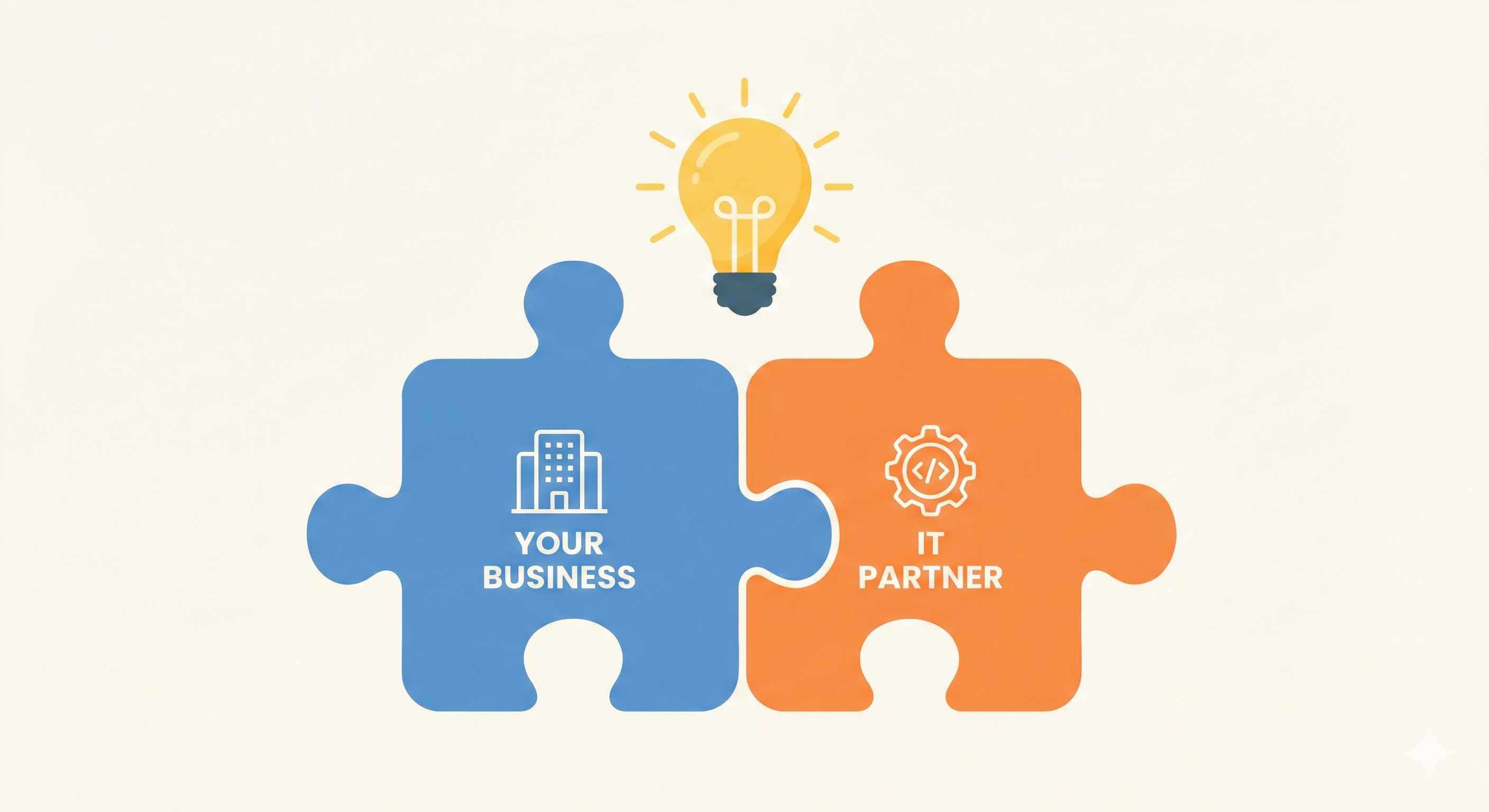
Outsourcing your IT development or management is not like hiring a vendor to fix a leak. You're not buying a commodity; you're forming a strategic partnership that will significantly impact your company's agility, innovation, and risk profile. The right partner acts as a seamless extension of your team, while the wrong one can become a source of constant frustration, missed deadlines, and technical debt. So, how do you choose wisely? Look beyond the portfolio and price quote. Here’s your playbook.
Trait 1: Strategic Business Acumen (They Ask "Why?" Before "How?")
A true partner seeks to understand your business objectives, competitive landscape, and customer pain points. They should be asking questions like, "What problem are we solving for the end-user?" and "How will this feature drive revenue or reduce cost?" If they jump straight to technical solutions without understanding the business context, they are contractors, not partners. You need someone who can translate business goals into a technical roadmap.
Trait 2: Crystal-Clear & Proactive Communication
This is the number one reason partnerships fail. Define expectations upfront:
Process: Do they use Agile methodologies with regular sprint demos and fixed communication channels (like Slack, daily stand-ups)? You should never be in the dark for weeks.
Transparency: Do they provide clear project timelines, explain technical hurdles in plain language, and are they honest about risks and costs? Avoid yes-men.
Proactivity: The best partners alert you to potential issues before they become problems and suggest improvements you hadn't considered.
Trait 3: Cultural Fit & Collaboration Style
Do their values align with yours? If you prize innovation and speed, a partner with a rigid, waterfall approach will clash. Have introductory calls with the actual team leads or developers you'll work with. Do they seem engaged, curious, and collaborative? The partnership will live or die in the day-to-day interactions, not in the sales pitch.
Trait 4: A Focus on Long-Term Health, Not Quick Wins
A partner invested in your success will advocate for maintainable code, proper documentation, scalable architecture, and security best practices—even if it takes a bit longer initially. A short-term thinker might take shortcuts to hit a deadline, creating a "house of cards" that will cost you tenfold later. Ask them: "How do you ensure the solutions you build are sustainable for us to maintain and scale?"
Trait 5: Intellectual Honesty & the Right Specialization
Beware of the "yes-we-can-do-everything" shop. A good partner is honest about their core strengths. If you need a complex AI integration, a partner specializing in beautiful websites might not be the right fit. Look for case studies and client testimonials specifically related to your challenge. Also, ensure they have a plan for knowledge transfer, so you're not held hostage.
The Selection Sprint:
Prepare Your RFP: Clearly outline your business goals, not just a feature list.
Interview Shortlisted Candidates: Use scenario-based questions. "How would you approach [a specific challenge]?" Include your tech lead in the conversations.
Check References Diligently: Ask past clients about communication, problem-solving, and whether the delivered solution achieved the business goal.
Start with a Pilot Project: Before committing to a massive engagement, start with a smaller, well-defined project. It's the best way to test all the traits above in reality.
Your IT partner should feel like a trusted advisor and force multiplier. By using this playbook, you move beyond comparing hourly rates and instead select a collaborator who is genuinely invested in weaving technology into the fabric of your business success.