
UI/UX Design: The Silent Salesman of Your Digital Product
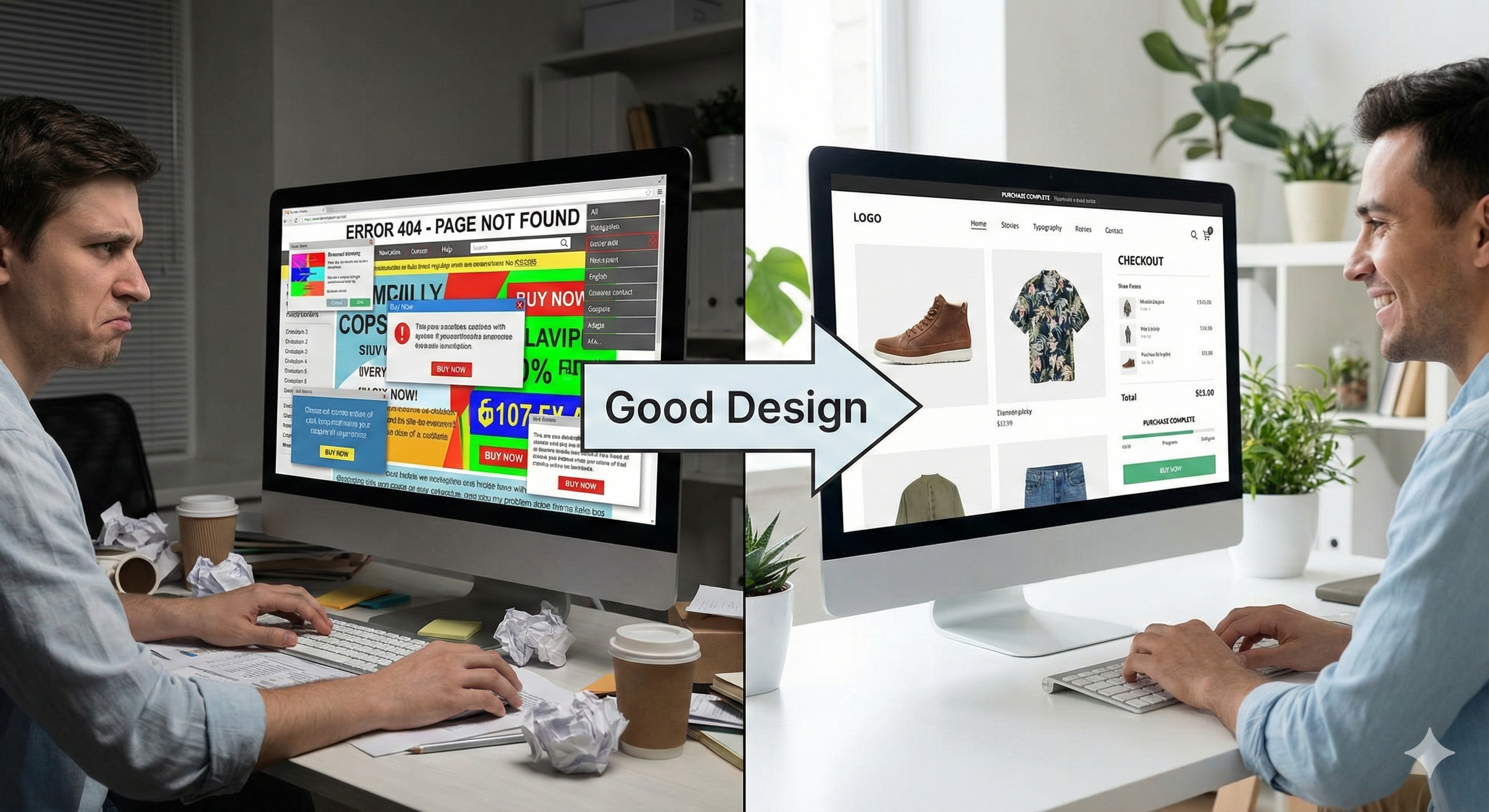
In the digital marketplace, your product's design is often the first—and sometimes the only—chance you have to make an impression. While brilliant functionality is essential, it's meaningless if users can't or won't navigate to it. This is where the powerful duo of User Interface (UI) and User Experience (UX) steps in. Think of them as your silent, 24/7 sales and customer success team.
UX is the felt experience. UI is the crafted interface.
UX (User Experience) Design is strategic. It answers the question: "Is this product useful, logical, and enjoyable to use?" It involves user research, creating user personas, mapping out user journeys, and designing the underlying structure (information architecture and wireframes). A UX designer ensures the path from problem to solution is intuitive and frictionless.
UI (User Interface) Design is tactical. It answers the question: "Is this product visually appealing and clear?" It brings the UX blueprint to life with colors, typography, button styles, icons, spacing, and all interactive elements. A UI designer ensures every visual element communicates function and reinforces your brand.
How Design Acts as Your Silent Salesman:
First Impressions & Trust Building: A polished, professional design signals credibility and competence. Users subconsciously judge your product's quality and your company's reliability within milliseconds. A dated or chaotic design inspires immediate distrust.
The Guide: A well-designed UX thoughtfully leads the user through a sequence—from landing page, to sign-up, to core action. It uses visual hierarchy to highlight what's important and predictable patterns that users already understand (like a shopping cart icon). This reduces cognitive load and decision fatigue.
The Persuader: Strategic UI elements—like a prominently placed, contrasting "Start Free Trial" button, clear value propositions, and social proof placed at decision points—directly influence user behavior and increase conversion rates.
The Problem Solver: Good UX anticipates user errors and prevents frustration. Clear error messages, easy password recovery, and autofill suggestions aren't just nice; they reduce support tickets and prevent cart abandonment.
The Loyalty Builder: When an app or website is not just functional but a pleasure to use—fast, responsive, and aesthetically pleasing—it creates an emotional connection. This positive experience is what turns casual users into loyal advocates who return and recommend.
Investing in Design is Investing in Your Business:
Skimping on design is a false economy. The cost of fixing a poor user experience after launch (in lost customers, negative reviews, and redevelopment) is exponentially higher than investing in getting it right from the start. Partner with designers who ask "why" before "what color." The goal is to create a seamless bridge between your user's needs and your business objectives.
Ultimately, in a world saturated with choices, superior UI/UX design is not a luxury—it's a fundamental competitive advantage. It’s the silent workhorse that converts visitors into customers and customers into fans.