The Cloud Migration Blueprint: When, Why, and How to Make the Move Successfully
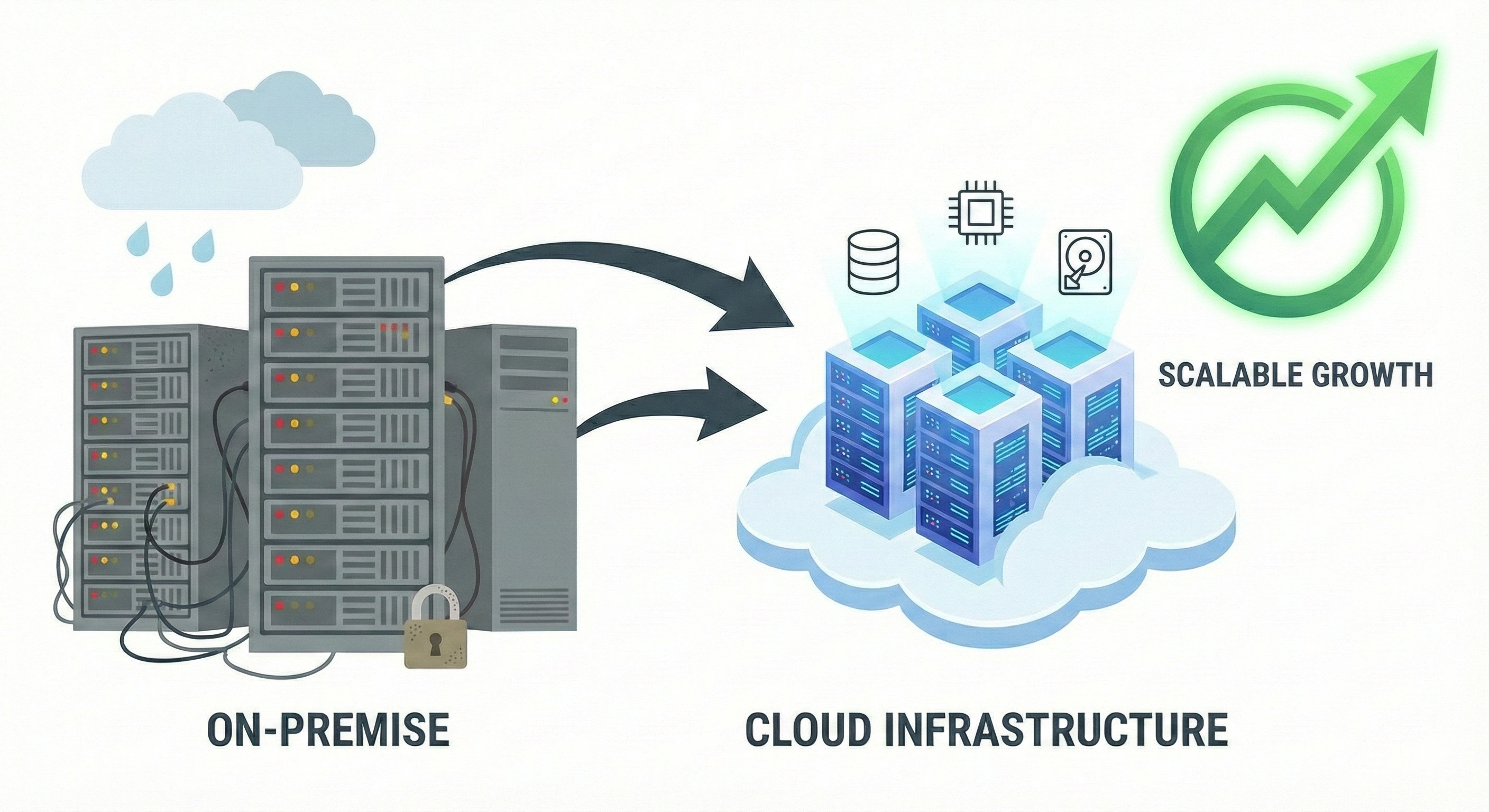
The "cloud" is no longer a futuristic buzzword; it's the operational backbone of modern business. But for many organizations still running on-premise servers, the decision to migrate can feel daunting. Is it just a trend, or a strategic necessity? Let's cut through the hype and build a practical blueprint for a successful cloud migration.
First, understand the "Why." What business pain points are you solving?
Scalability on Demand: Cloud infrastructure lets you scale resources up or down instantly. No more over-provisioning expensive hardware for peak seasons or facing downtime during growth spurts.
Transformed Cost Model: Shift from a large Capital Expenditure (CAPEX—buying servers) to a predictable Operational Expenditure (OPEX—paying for what you use). This frees up cash flow.
Enhanced Collaboration & Remote Work: Cloud-based applications and data are accessible securely from anywhere, powering today's hybrid and remote workforce.
Disaster Recovery & Business Continuity: Leading cloud providers offer built-in, geographically redundant backups and recovery solutions that are far more robust and affordable than most on-premise setups.
Innovation Speed: Access to cutting-edge services—like AI, machine learning, and big data analytics—without having to build them from scratch.
Next, plan the "How" with a Phased Approach. A "lift-and-shift" (moving servers as-is) is sometimes the first step, but true value comes from optimizing for the cloud.
Assessment & Planning: This is the most critical phase. We conduct a full audit of your existing applications, data, and dependencies. We categorize workloads: which are cloud-ready, which need refactoring, and which might stay on-premise (a hybrid model). We choose the right cloud model (Public, Private, or Hybrid) and provider.
Proof of Concept (POC): Before a full-scale move, we migrate a non-critical application. This tests the process, validates costs, and builds internal confidence and expertise.
Data Migration: Data is your crown jewel. We plan a secure, methodical transfer, often in stages, with rigorous validation checks to ensure zero data loss or corruption.
Application Migration & Refactoring: Workloads are moved according to the plan. We might modernize ("refactor") key applications to use cloud-native services (like serverless functions), unlocking greater efficiency and performance.
Optimization & Governance: Post-migration, we continuously monitor performance and costs, using tools to right-size resources and eliminate waste. We also establish cloud governance policies for security, compliance, and spending.
The journey to the cloud is a strategic transformation, not just a technical move. With a clear blueprint focused on business outcomes, you can harness its power to build a more agile, resilient, and innovative organization.